
The GGR Foodball League: Philadelphia Part 2
by Mike Lunsford, Editor-In-Cheesesteak for GGR
As I look back fondly on this Foodball project, I realize how much it has changed since it started in 2020. Mostly, my artwork has improved but I also loved the research and knew that no city/region could be narrowed down to one food. There would be some new foods that needed to be represented. Consider this the “director’s cut” of the Philadelphia article. If you haven’t read my Philadelphia Part 1 article, click here to catch up!
Philadelphia is like most of the East Coast cities and has a very diverse population because of immigration. A great example of this cultural diversity can be seen at the famous Reading Terminal Market. Its a great mash up of farmer’s market with actual restaurants there as well. Matter of fact, all of the additional foodball teams can be found at Reading Terminal Market!
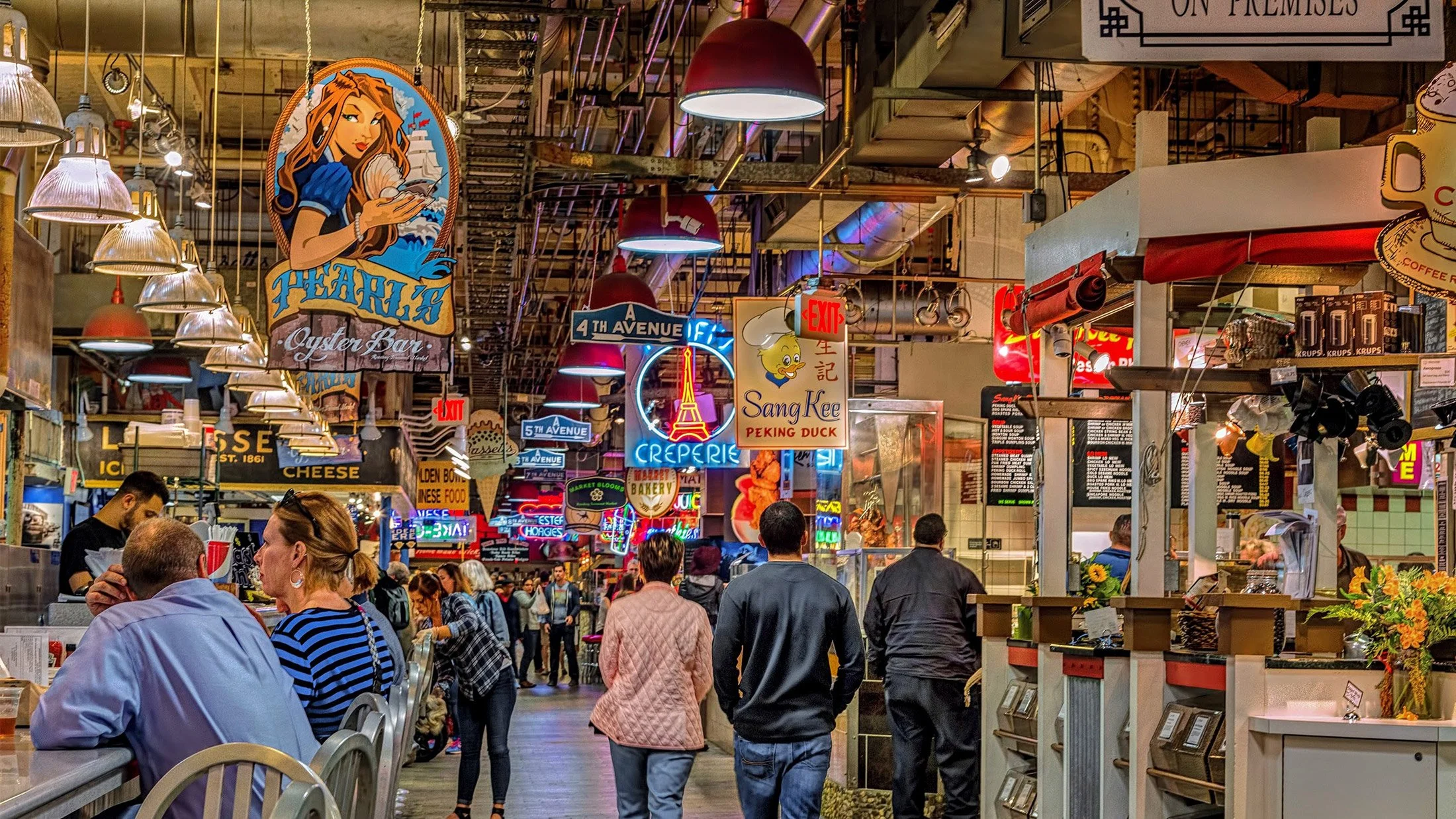
For a place like this, you have to pace yourself. It’s not a sprint, it’s a marathon.
Our first entry into the additional foodball entries can definitely be found in Reading Terminal Market. Let’s talk about one of the grosser yet beloved favorites of the Mid-Atlantic, something every self-respecting diner in the Philly metro area has on their breakfast menu. Yes, I am talking about the often misunderstood, often-scoffed-at food crypid of log-shaped meats. Of course I am talking about scrapple.
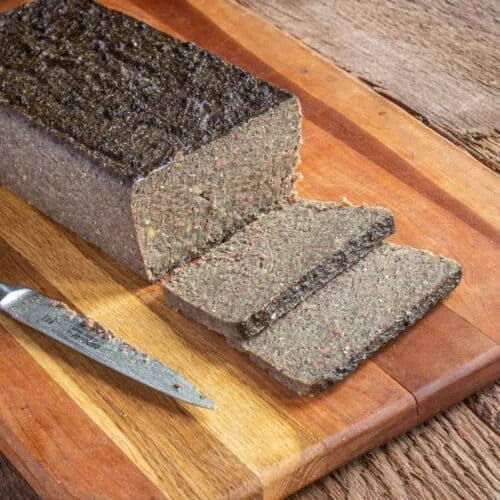
This is scrapple in it’s right-out-of-the-package form. DON’T LOOK AWAY. FACE YOUR FEARS.
Gather ‘round, children, as I tell you the horrifying story of how the monster known as Scrapple came to America. Little is known of its origin, but it is said to be thousands of years old. Roman Centurions were known to tell tales of its awful stench and frightening appearance. Some say it cannot be killed by conventional weapons.
All jokes aside, the concept of scrapple is one that every single culture has their equivalent. It’s poor folks’ food. Scrapple took a foothold in the Philly area because of Pennsylvania Dutch settlers. Ya know, the Amish or Mennonites of Weird Al and reality show TV fame. They would use all the “undesirable” parts of a pig left over after slaughter. You will often hear that it’s “everything but the oink.” All those leftover bits, including organs, the head, etc is boiled (bones and all) to create a stock of sorts. The bits of meat that come off the bone in the boiling process are picked through and finely chopped. The bones are discarded, the bits of meat and dry cornmeal are added. The “mush” is then formed into loaves. Sounds yummy, huh? If the picture above wasn’t enough to entice you, I’m sure the description locked it in. However, before walking away from the concept, let’s see the scrapple after its glow up in the frying pan.
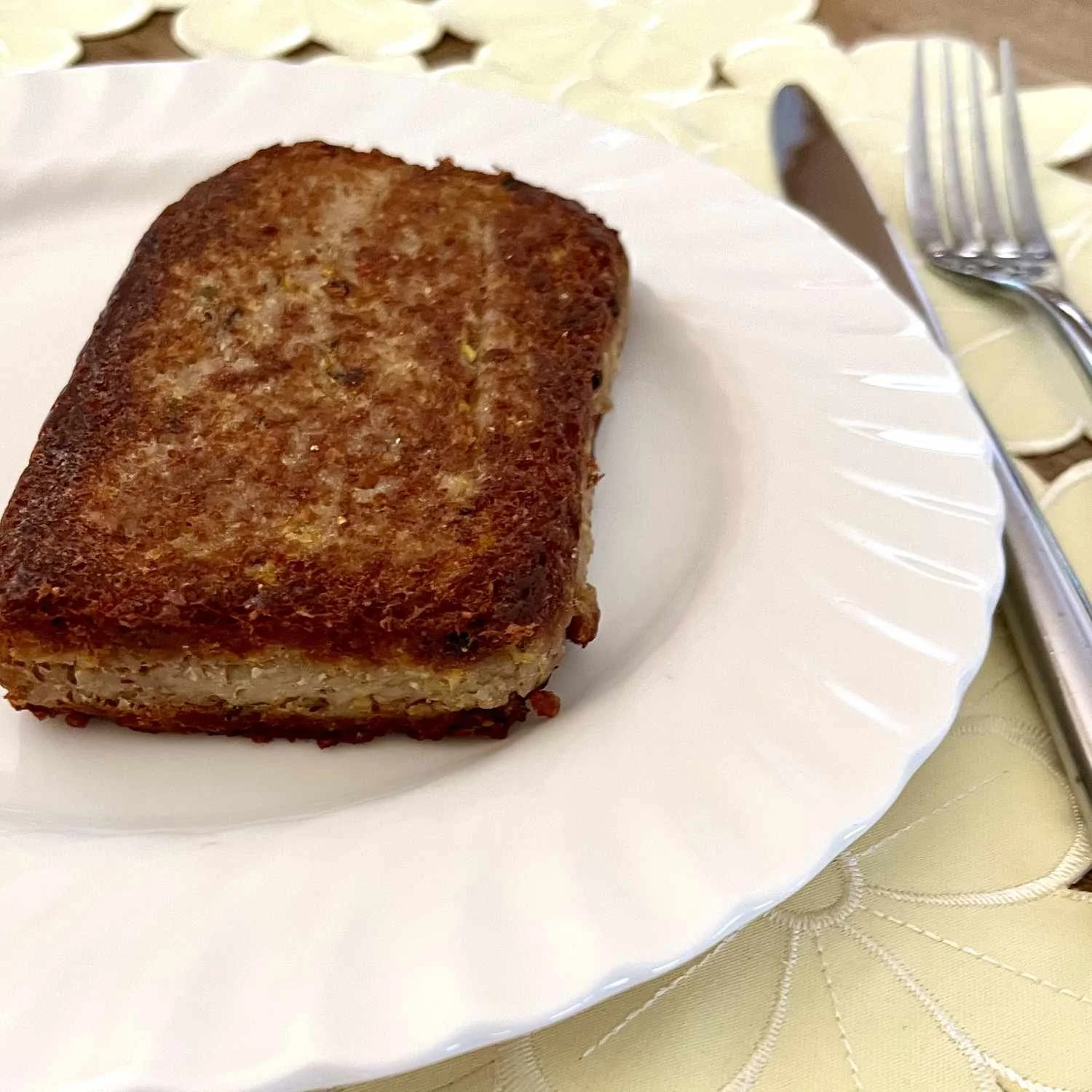
OK…a little more appetizing than the gray blob above
I will never harshly judge anyone for turning down something of questionable origin such as scrapple. The term “trimmings” doesn’t really inspire a lot of good feelings. However, for those who are adventurous, it’s pretty tasty when you fry it and it’s crispy. Now, is this a staple in the Lunsford household? F**K NO. ARE YOU SERIOUS??? GET THAT HELL SPAWN OUT OF MY HOUSE. Kidding, of course. Let’s be real: a fat guy in his 40s doesn’t need more fried pork products in his diet to tempt fate. Plus, scrapple is best left as a once-in-a-while kind of thing in my humble opinion. And for you Muslim and Jewish folks who heard all of that and laughed “ha, well…I can’t eat it because I keep halal/kosher. Sucks to suck!” Oh no, you are not safe from this franken-loaf. There are chicken, beef and turkey options for scrapple. It’s horrors can not be contained! It’s gained sentience!
That all being said, a mystery meat that poor, working class folk turn to when they can’t afford more expensive cuts of meat is something that cultures across the globe have come to love. It’s a sign of camaraderie and nostalgia to go to a diner, order some scrapple and eat it with friends and family, especially if you’re in a place where this isn’t your only option for meat. Scrapple keeps you humble! It’s blue collar! A working man’s breakfast meat! Philly is known for it’s hard-nosed, blue collar work ethic so scrapple gets an honorary seat at the Foodball League table.
Another Philly legend needs no introduction, however this is a blog post so I kind of have to introduce it. Let me set the scene: you’re hungry and not just a little hungry. You’re BIG hungry. The only thing that will take down the hunger of epic proportions, satiate it if you will, is a sandwich that would make Shaggy and Scooby jealous. You get your hands (or mitts depending upon preference) on one of these bad boys.
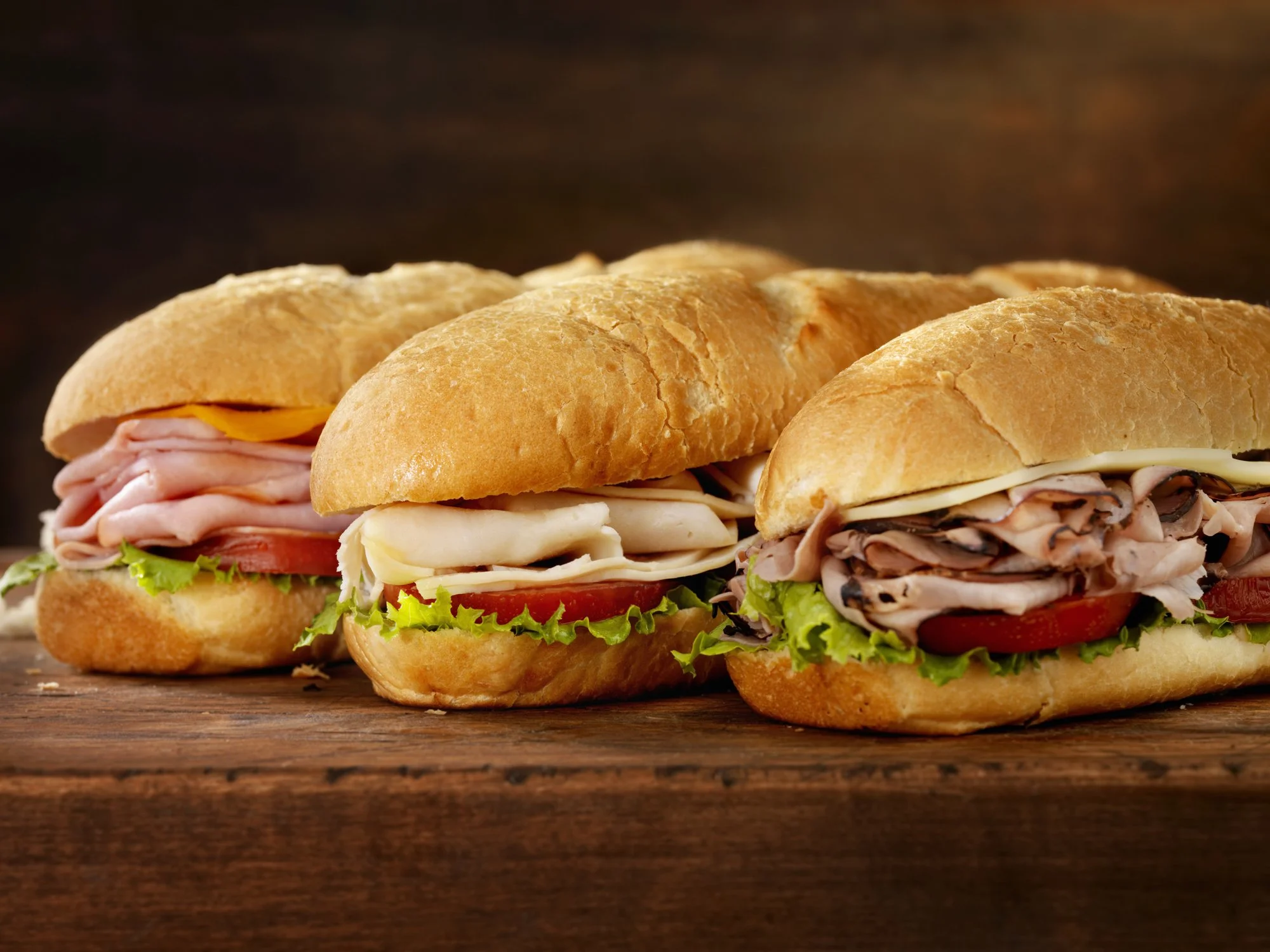
What do you call this sandwich? Are you basic AF and call it a “sub?” Come on. Grow up. Expand your horizons. Do you call it a “grinder?” That really doesn’t sound like something someone would want to eat, especially given the recent rise of a dating site with a very similar name. But hey, to each their own. Hero? Not bad. I like the concept of something so delicious it saves you from hunger. However, I want a name with some history. My preferred term and frankly while researching, the one with the most nuanced history was Philly’s own: the Hoagie.
The term really used to be much more regional, but with Wawa’s, a Philadelphia area native, popping up all up and down the East Coast, it’s becoming more common. Additionally, having a month-long event called “Hoagiefest” certainly doesn’t hurt. The term has been around since the early 20th century when pizza shops started adding new items to their menus in hopes of changing the stigma that came with pizzerias being the “bottom of the culinary and social scale.” But where does the name come from? Sub makes sense as the shape of the bread is kind of similar to a submarine. And grinders…well…moving on…
Hoagies don’t really have a well defined history to explain the name, but there are a few theories. Since Philly is a port city, there’s a shipyard there called Hog’s Island. The folks that worked there allegedly made big sandwiches that got affectionately referred to as “hoggies.” That’s one theory. Another is a famous jazz musican named Hoagy Carmichael was the reason for the name. It could explain how hoggie became hoagie. If I was a betting man? I’d think this explanation hits it:
Another explanation is that the word hoagie arose in the late 19th to early 20th centuries, among the Italian community in South Philadelphia; at the time "on the hoke" meant that someone was destitute. Deli owners gave away scraps of cheeses and meats in an Italian bread-roll known as a "hokie", but Italian immigrants pronounced it "hoagie."
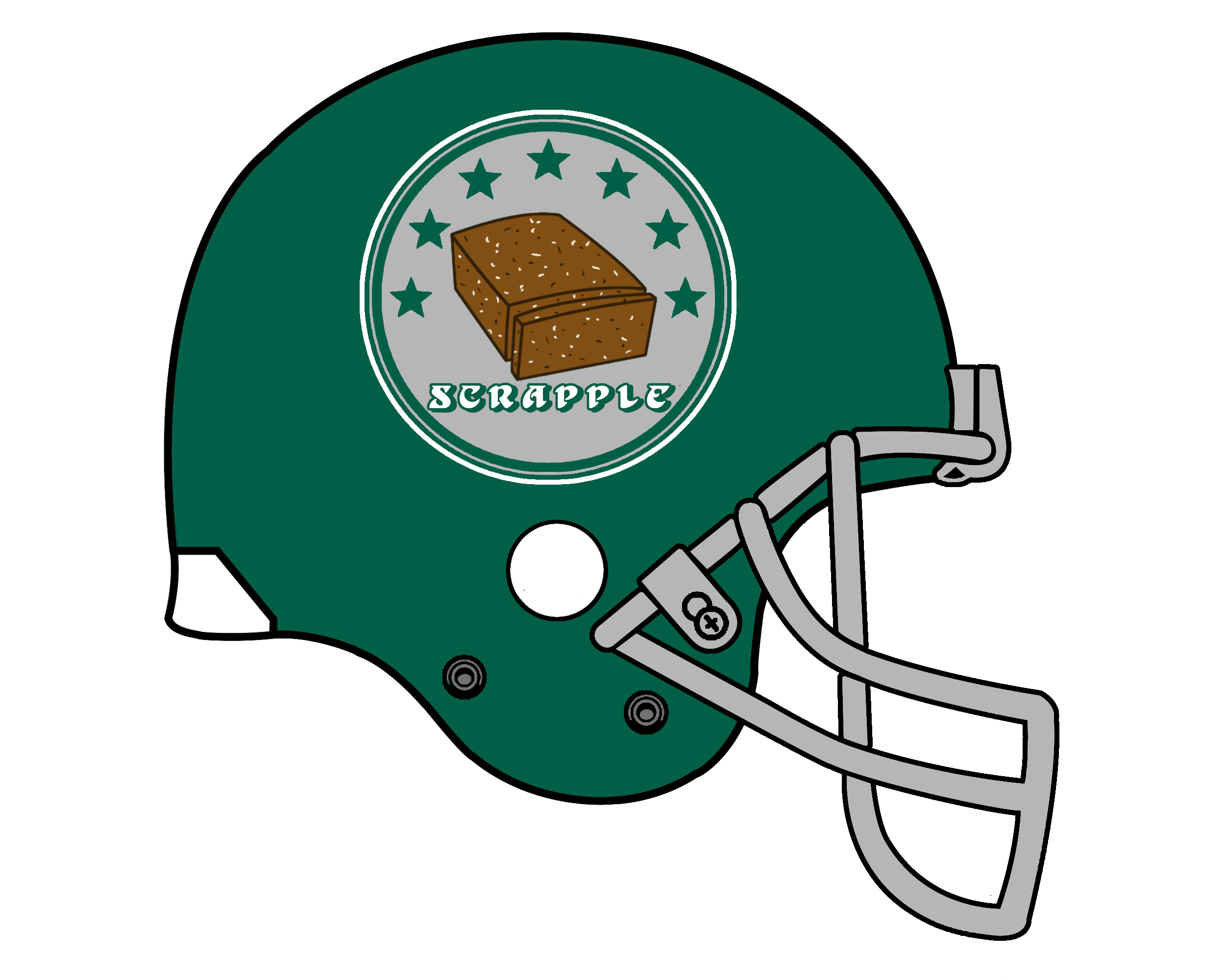
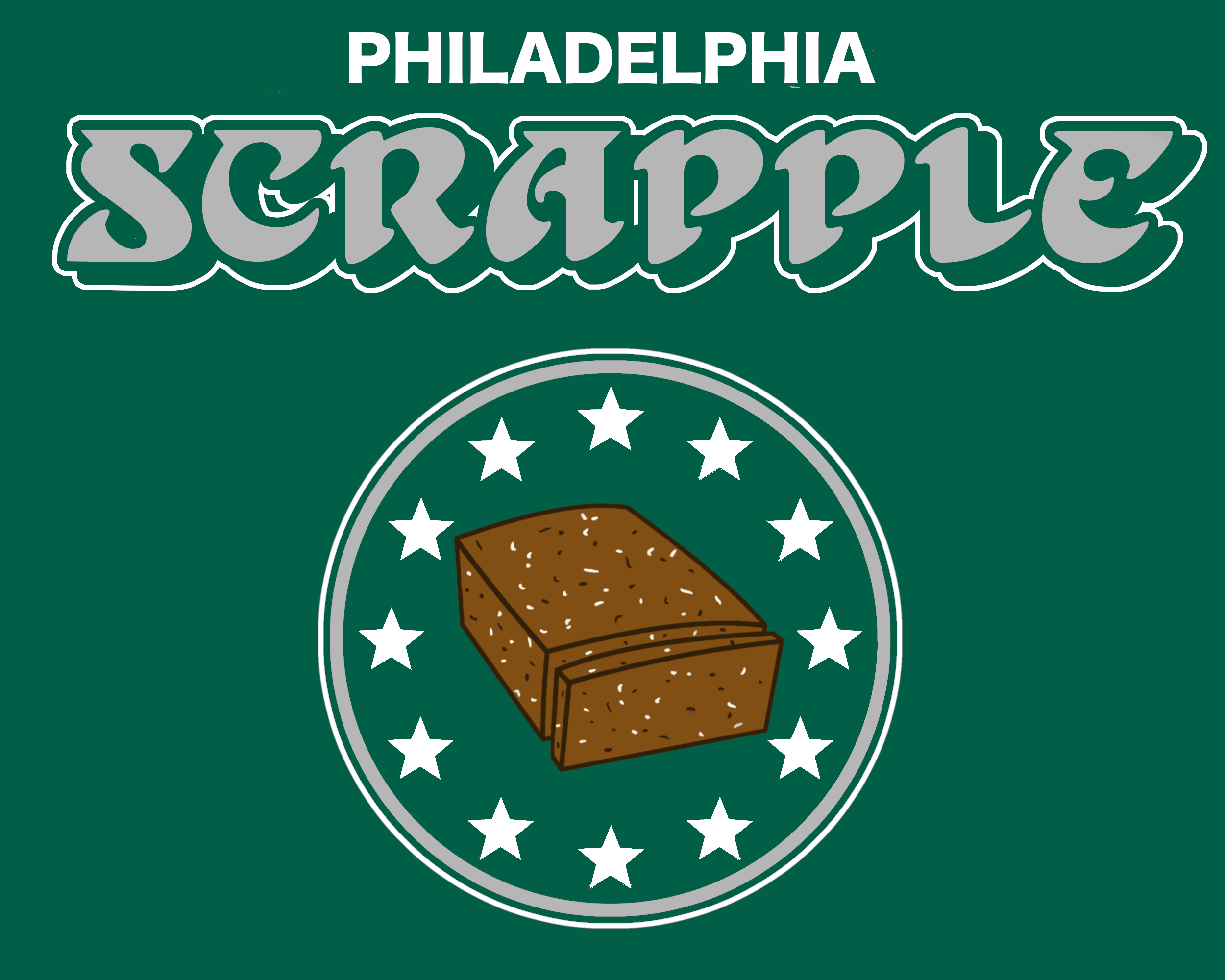
So, let’s take a look at my logo.
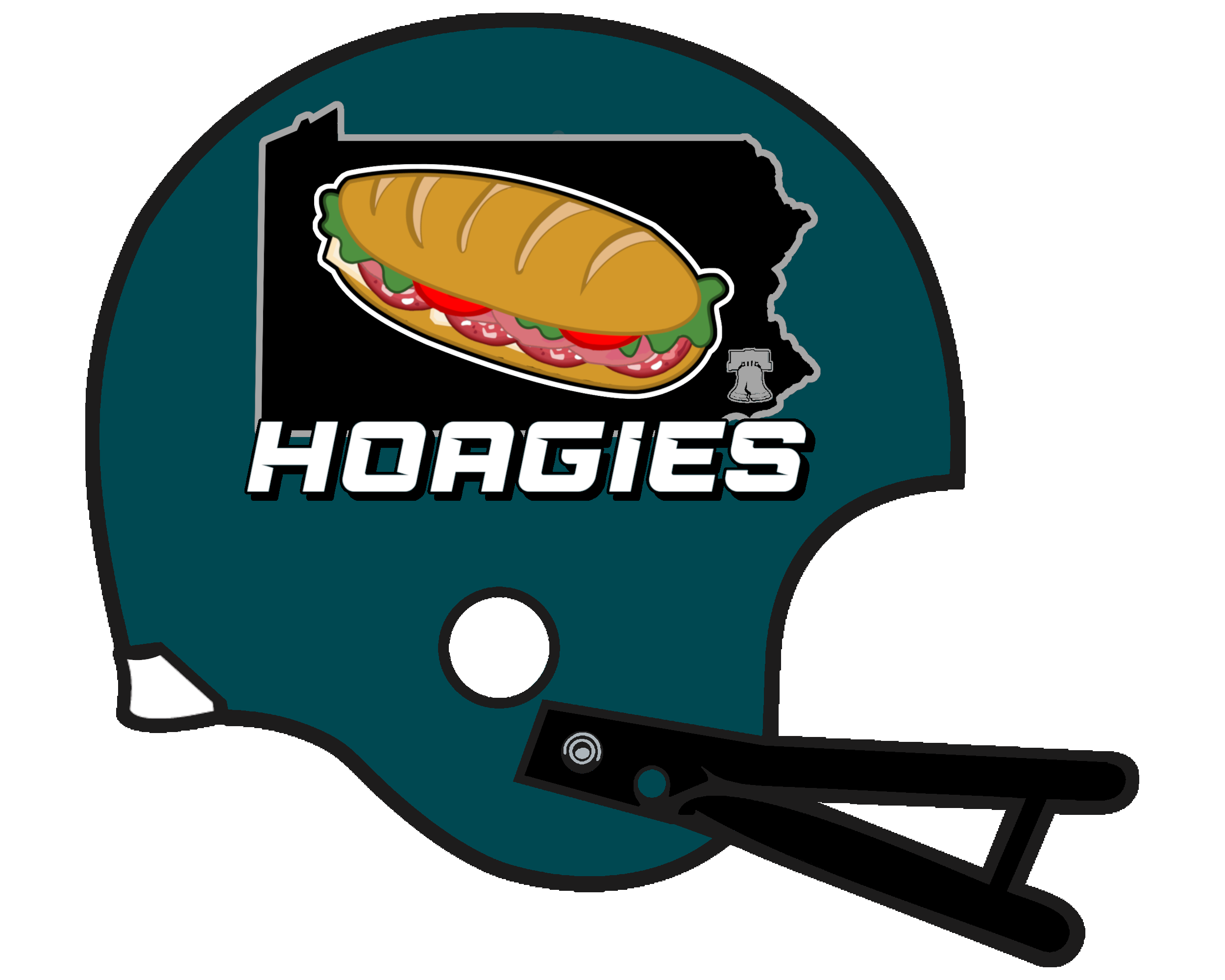
You can’t go wrong with sandwiches, pretty much ever. That being said, I hope you enjoyed this extra look into some of the culinary icons of the City of Brotherly Love. One more Philly logo and we’ll call it a day.
Pretzelvania
Philadelphia has a long standing history with pretzels. German immigrants in the 1700s brought their recipes with them for the braided bread and were selling them from carts in the city as early as the 1820s. Philadelphians eat TWELVE times the amount of soft pretzels than the national average.
Philly is also known for their unique twist on the shape of pretzels (ha, get it? Twist!). Instead of the famous criss-crossed shape, pretzels from Philly have a figure 8 shape. I’ll go into the why briefly, however did you know that the reason the pretzels are shaped and twisted the way they traditionally are is because of Christianity?
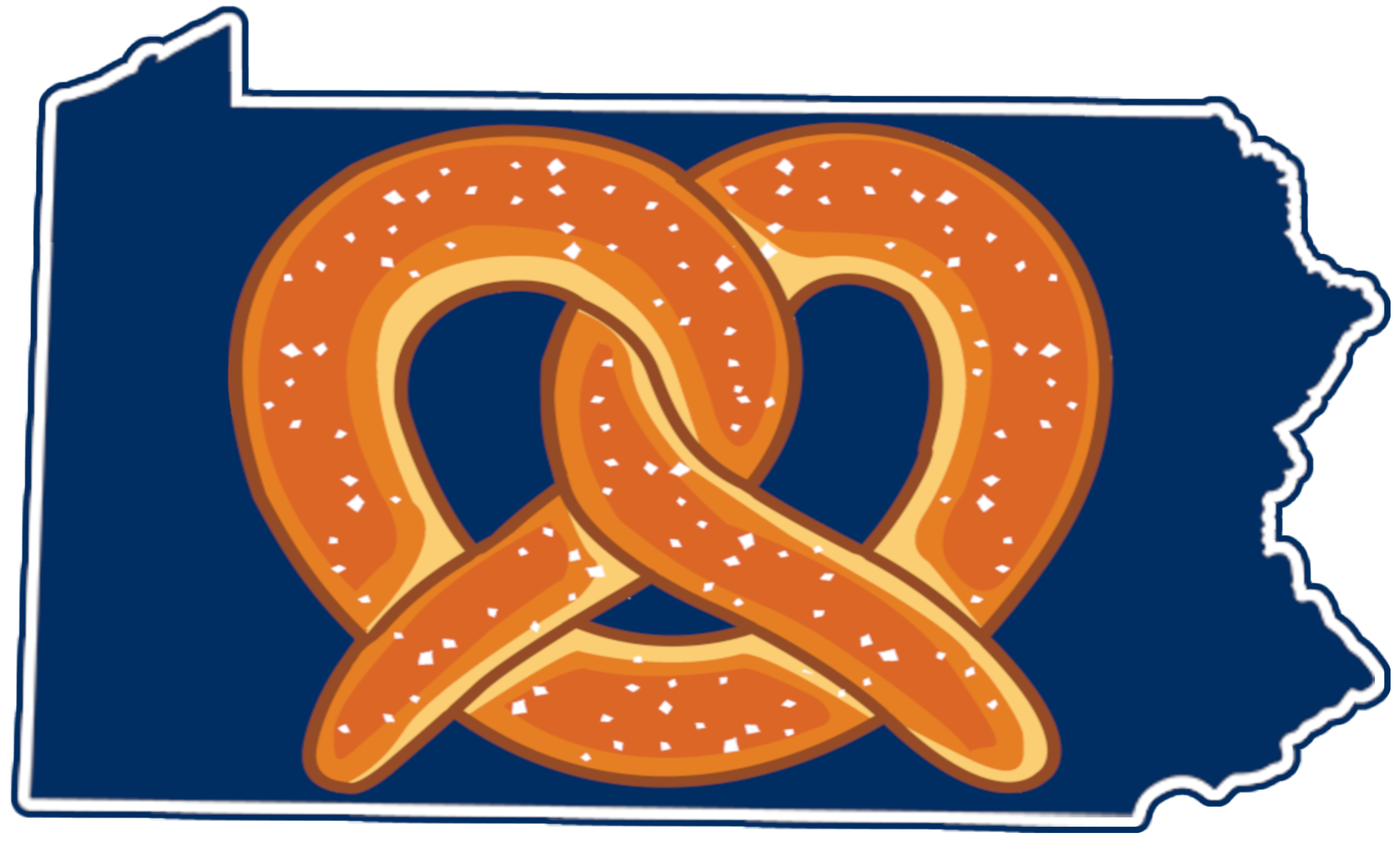
These pretzels are making me…holy?
The 3 holes are meant to represent the holy trinity and mimics the traditional pose for prayer: arms crossed across your chest.
The Philly figure 8 came about for some pretty simple reasons.
You can fit more on a baking sheet if they’re shaped like that
You can also make them faster that way
in the 1920s, when the process started to be automated, the pretzel braids got smashed on the conveyor belt and took on that shape
Yeah, it’s not anything epic like the Cheesesteak getting cheese put on it because a dude named “Cocky Joe” told you to do it, but the pretzels in Philly are the best in the country. You can argue you’ve had better elsewhere, but you’re wrong. Just accept it.
So, you gotta have Pretzels representing Philly. Take a look at this logo.
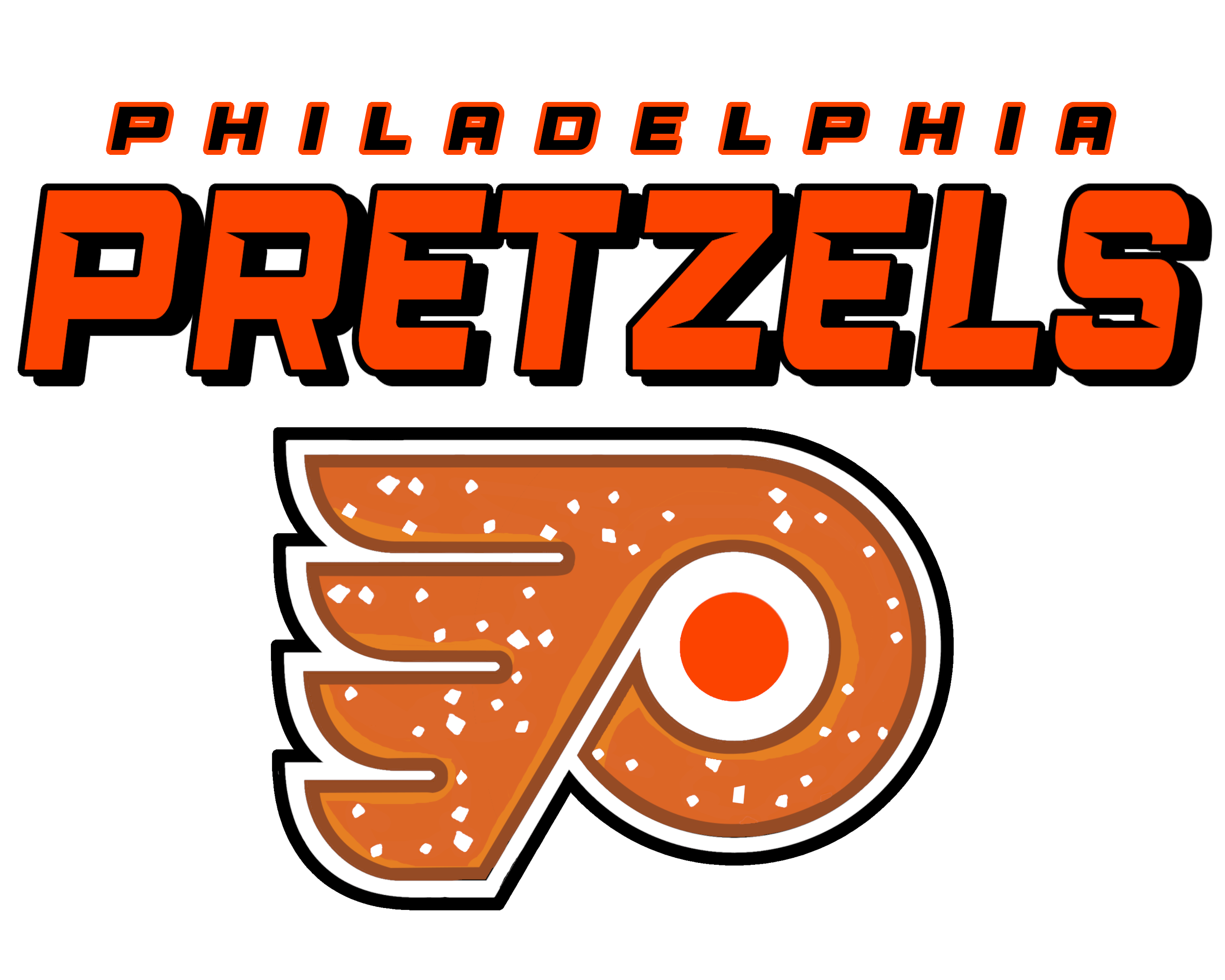
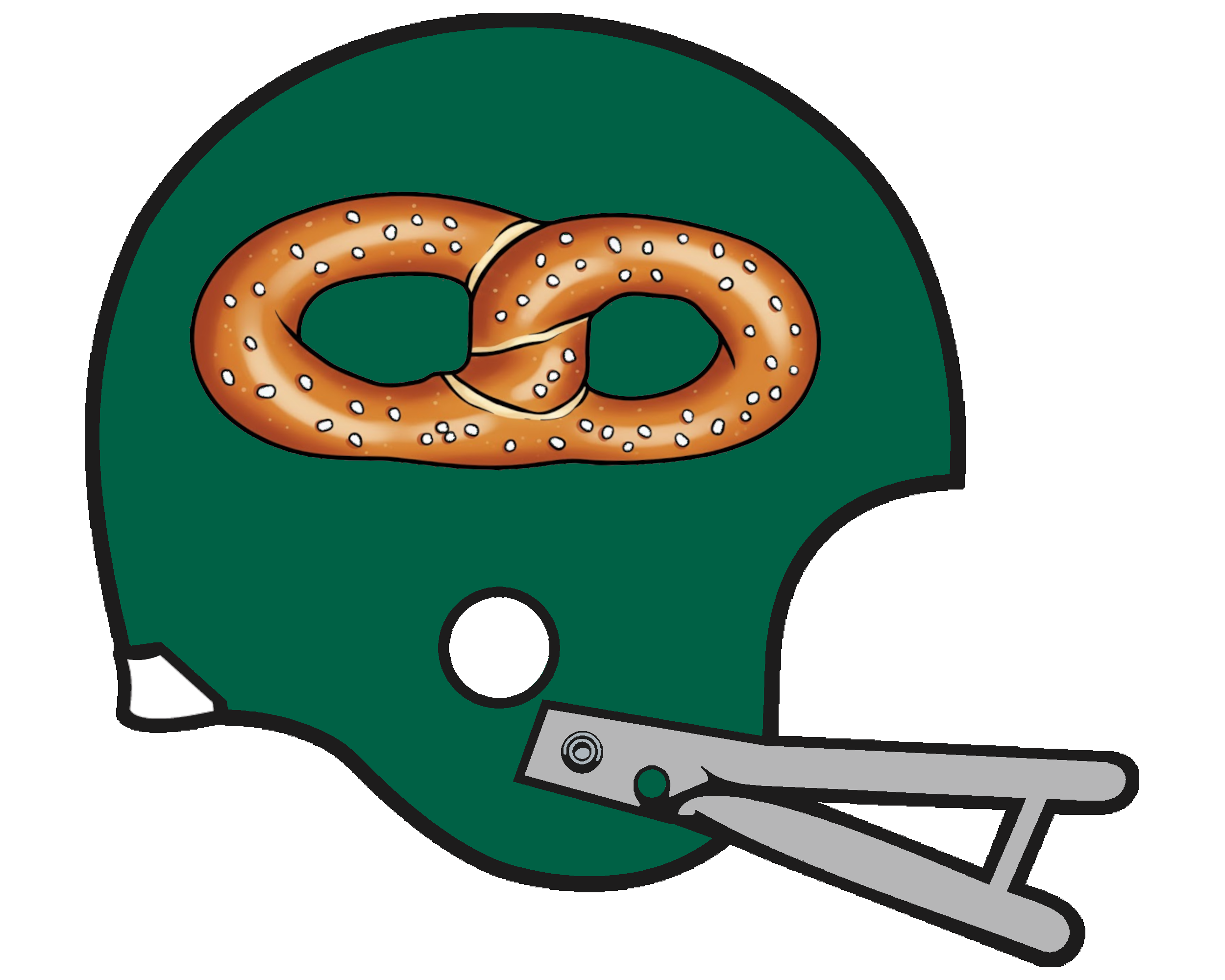
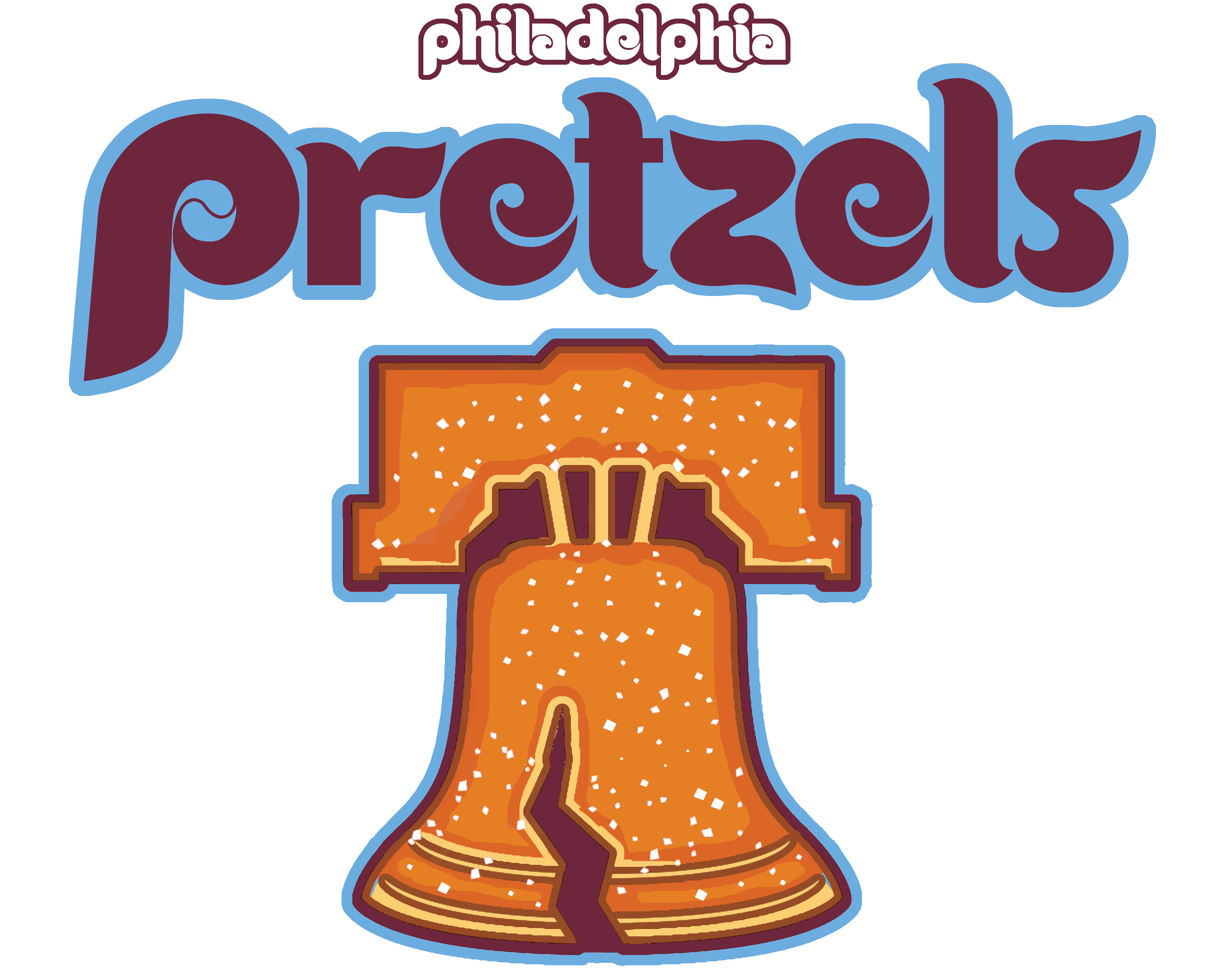
If you think any of these designs are worth your hard-earned bucks, click on the link below. It goes right to our Redbubble shop where you can get the logos on stickers, t-shirts and more!

For the stickers we have for sale on Redbubble, click on the picture!
You can call me a lot of things, shameless self-promoter is one of them. I’ll continue to post my food history journeys as I share more of these “Foodball” teams. I hope you enjoy reading about and seeing my creations as much as I have enjoyed this process. More cities and food stories to come, so stay tuned!
Mike relaunches his “GGR Foodball League” series. He briefly talks about the origins and how it started and then starts with the culinary icons of his hometown, Washington, D.C.